

Gardening 101: How to Avoid Common mistakes like Growing Rhododendrons in Alkaline Soil, Planting Bulbs Too Early, and Getting an Entire Gnome Lodged in your Rectum
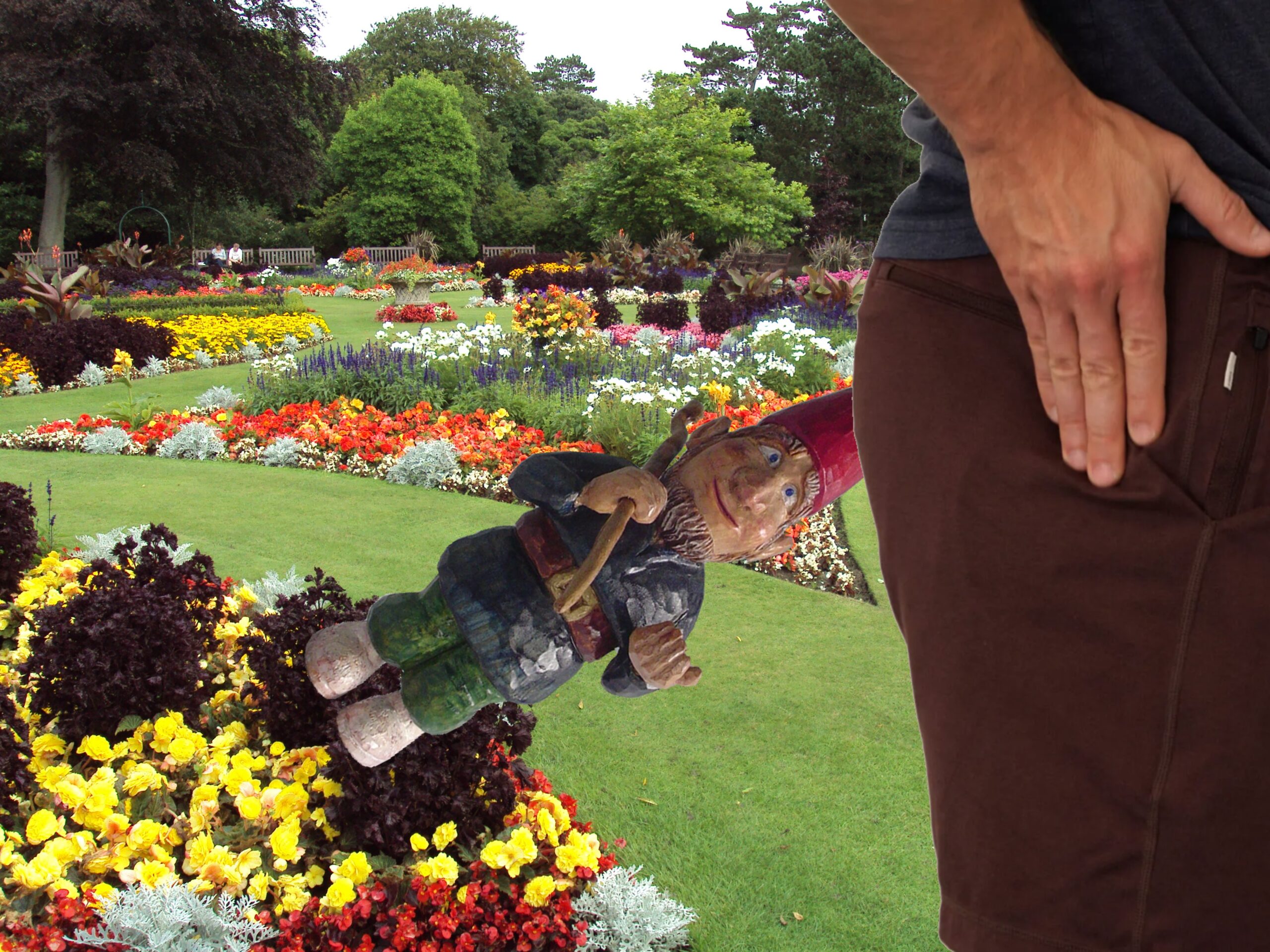
As I know from experience, every beginning gardener needs concise, thoroughly-tested advice to get beyond a sad little cherry tomato plant in a janky cage. Nature is a harsh mistress, and she won’t hesitate to throw her worst at you. In light of that, I made this guide for gardeners at all levels to avoid the same mistakes I made.
- Check the soil and site conditions
Just like you wouldn’t trust a pack of chihuahuas to pull your dogsled across Alaska, you wouldn’t want to place a plant where the soil just won’t allow it. Yet over and over again, I see pin oaks by the street with chlorotic yellow leaves, pines wasting away in swampy soil, and asters growing under shade like a toddler under his dad’s beer gut at Disney World. I can’t stress this enough:, CHECK YOUR SITE! For example, I planted some goldenrod on a slope so steep I fell over and got an entire gnome lodged in my rectum.
- Get some good plant variety
Contrary to what your groyper nephew was spamming the family group chat, diversity is a strength, especially in the garden. Flower color, foliage color, texture, growth form, and seasonal features should be explored to their fullest potential. Don’t be afraid to experiment a little! Don’t go too crazy with it, though. I planted too many annuals under my crabapple tree, and the gnomes hated it so much that one of them just jumped right into my rectum.
- Appreciate your native plants
Illinois was once truly a prairie state, where the savannas grew vibrant with colorful flowers and creatures like buffalo, wolves, and wild gnomes roamed freely. Today’s prairie is a mere remnant of its former glory, but its plants are still suited to the deep, rich, and dense soil of our state and survive weather extremes like champs. In addition to being hardy and beautiful, these plants also support our essential pollinators. Go for some milkweed and blazing star for the magnificent monarch butterflies, and bergamot for the bees. Be sure to occasionally mow and maintain your prairie patch, because an overgrown thicket of tall grasses and flowers provides ample hiding space for wild gnomes that can get lodged in your rectum.
I hope these tips and tricks make your next gardening project of any kind much less painful, in more ways than one. Now, if you’ll excuse me, I’ll run over to the ER so a long, pointed porcelain hat doesn’t rupture my intestines.